
Conflict Resolution in the Workplace: A Practical Guide for Employers
You hear two employees arguing. Voices rise. Maybe one employee gets shoved. The next thing you know, you’re dealing with a full-blown workplace altercation.
You might think, “That won’t happen at my business.” But most employers do….until it does.
Think about it like homeowners’ insurance. You don’t buy a policy because you expect a tornado, flood, or fire to hit your home. You buy it for the security of knowing you’re prepared, just in case.
Workplace conflict resolution training and policies aren’t all that different. No employer creates a policy expecting a serious conflict to happen. But without clear procedures in place, you’re left scrambling when an incident does occur instead of responding as a prepared, proactive employer.
So, what happens when “just in case” becomes “right now”? Knowing how to respond in the moment can make the difference between a situation that gets resolved quickly and one that creates bigger problems for your employees and your business.
What Conflict Resolution in the Workplace Really Looks Like
Workplace conflict is normal. Different personalities, communication styles, workloads, priorities, and expectations are going to clash from time to time.
The important part is knowing what kind of conflict you are dealing with.
A personality clash may need mediation. Ongoing disrespect or inappropriate behavior may require a formal conversation, performance plan, or written warning. A harassment complaint needs a formal response. A threat or physical altercation requires immediate attention.
Employee problems get worse when leadership waits too long to address them.
Maybe two employees have been butting heads for months. Maybe one department feels another is making their job harder. Maybe a strong performer has developed a reputation for being difficult, but no one wants to confront them because they produce results.
Then busy season hits and the problem gets pushed aside. That is how a manageable disagreement turns into a workplace crisis.
How Workplace Conflict Escalates
Most serious workplace conflicts don’t come out of nowhere. There are usually warning signs.
One employee thinks another is not carrying their share. A technician feels like dispatch is constantly setting them up for failure. Two managers disagree about responsibilities. Employees believe someone close to ownership is being treated differently.
Leadership may notice, but the response is often, “We’ll deal with it later.”
Later gets expensive.
Once employees start taking sides, gossip spreads, morale drops, and managers spend more time managing tension in the workplace than running the business.
There is also a bigger issue: your team is watching what leadership allows.
If a manager can yell at employees without consequences or if a top performer repeatedly crosses the line because they generate revenue, people notice.
Your employees learn your standards from what you tolerate, not just what is written in the handbook. You need to practice what you preach, especially at the leadership level.
5 Steps for Conflict Resolution in the Workplace
But how do you actually resolve conflict in the workplace? The key is to slow things down, stay objective, and follow a clear process. Start with these five steps:
1. De-Escalate First
When emotions are high, you won’t solve the problem in the moment.
If employees are yelling, threatening each other, or a disagreement becomes physical, separate them.
Depending on the situation and your policies, that may mean sending the employees involved home while you review what happened.
The purpose is not to assign blame immediately. It is to get everyone out of a heated environment so the situation doesn’t continue to escalate.
OSHA recommends that employers establish workplace violence policies and promptly investigate incidents involving threats or physical violence.
Managers should also know when to pause a difficult conversation. If someone starts yelling or name-calling during a follow-up meeting, take a break.
You can say:
“We’re going to take ten minutes and come back to this when we can continue calmly.”
You cannot control how an employee reacts, but you can control yourself and your response in a leadership role.
2. Investigate What Actually Happened
Once everyone is calm, gather the facts.
Talk to the employees separately. Speak with witnesses. Review messages, emails, video footage, or other documentation when available.
Do not decide the outcome first and then look for information to support it.
This matters even more when one of the employees involved is a manager, a top performer, a longtime employee, or someone personally close to ownership.
The investigation needs to focus on what happened during the incident otherwise you open yourself to lawsuits and liability.
For complaints involving harassment, the EEOC recommends a prompt and impartial investigation that considers information from the complainant, the accused employee, and other people who may have relevant knowledge.
3. Keep the Decision Fair and Objective
Once you understand the facts, compare the conduct to your policies and how you have handled similar situations in the past.
Fair does not always mean identical.
If two employees were involved in a physical altercation, for example, it would be a mistake to automatically assume they both deserve the same discipline. One person may have initiated it. One may have been defending themselves. Their disciplinary histories may also be different.
What matters is that your decision is based on legitimate, documented reasons. This is how you protect yourself as an employer.
This is also where favoritism can damage trust quickly.
If you overlook serious behavior because someone is hard to replace or is your best producer, your team sees it. Don’t let short-term performance blind you to long-term damage. Keeping a high performer who consistently creates conflict can quietly erode morale, productivity, and trust across the entire team.
4. Deliver the Message Calmly
After you make a decision, prepare for the conversation.
Don’t walk into an important employee meeting angry, exhausted, or unprepared. If the owner or manager is too emotionally involved, someone else may need to lead the discussion. Sometimes that is internal HR or an outside HR partner.
Keep the message simple:
- Here is the behavior we are addressing.
- Here is the decision.
- Here is what we expect moving forward.
Employees may try to redirect the conversation: “What about what everyone else does?”
Don’t get pulled off course. You can always respond with:
“I hear what you’re saying, and we can address that separately. Right now, we’re discussing this situation.”
If another concern needs attention, don’t be afraid to put it on the calendar. That shows the employee you will take the time to address their issues while standing firm on addressing the current matter at hand and keeping authority.
5. Document and Follow Up
The process does not end when the meeting is over. Document the incident, what you reviewed, what was decided, and any corrective action that was taken. Then (most importantly) follow up.
- If the issue was a personality clash, has the working relationship improved?
- If it was a performance issue, are expectations being met?
- If employees are still working together, are the same triggers creating conflict?
For smaller companies, separating employees who do not work well together is not always realistic. In those situations, it can help to review their assessments, identify where their communication styles clash, and give them practical tools for working together more effectively.
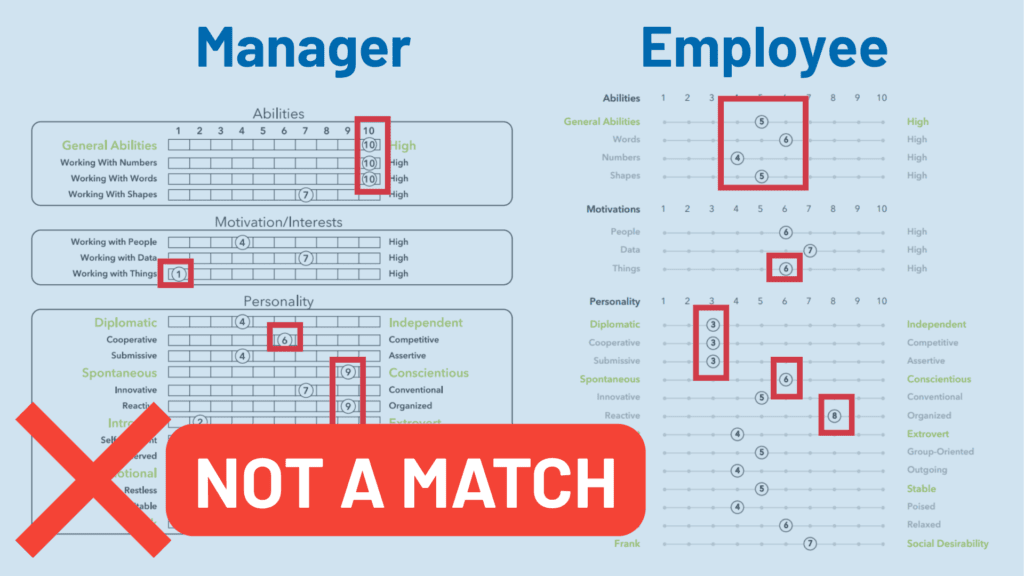
They do not have to like each other, but they do need to be respectful, professional, and capable of working toward the same goal.
How Managers Can Prevent Workplace Conflict
The best time to think about conflict resolution is before there is a crisis.
Your code of conduct should explain what is acceptable, how employees can report a concern, and who they can go to if their direct supervisor is part of the problem.
- Talk about those policies during onboarding.
- Train managers on harassment, discrimination, and workplace violence.
- Revisit expectations regularly instead of assuming employees remember a policy they signed years ago.
You also need a clear chain of command.
- Who handles an employee complaint?
- Who investigates?
- Who makes the final decision?
- When does HR need to be involved?
Having a game plan keeps leadership from making decisions in the heat of the moment.
And whatever policies you create, follow them. If you say there is zero tolerance for certain behavior, be prepared to enforce that standard. If your policy allows for discretion, make sure your decisions are still consistent and well documented. The quickest way to lose credibility is to have policies you ignore. That tells employees that leadership does not follow through on their word.
When Workplace Conflict Requires HR Support
Managers should be able to handle everyday employee disagreements.
But some situations need more support.
Physical altercations, harassment complaints, threats, possible retaliation, conflicts involving senior leadership, re-occurring issues that haven’t been resolved by coaching, and high-risk disciplinary decisions are all good reasons to involve HR.
HR support is also valuable when the owner simply cannot be objective, which happens more often than people think, especially in small businesses.
You are not just thinking about the employee issue. You are thinking about customer commitments, revenue, staffing, family relationships, busy season, and what happens if someone quits tomorrow.
That is why having a sounding board can help.
Sometimes the most useful thing HR can do is slow everyone down, separate the emotion from the facts, and conduct the investigation for you with options on what to do next. This is what HR is trained to do.
Need Help Working Through a Difficult Employee Situation?
Employee conflicts can become complicated quickly, especially when you are dealing with misconduct, performance concerns, investigations, or difficult disciplinary decisions.
Recruit4Business helps business owners build the policies, documentation, employee management processes, and HR support they need to handle difficult situations with a clear plan.
Book a free consultationwith the Recruit4Businessteam to talk through your situation and determine the right next step.