
How to Build a Talent Pipeline BEFORE You Need New Employees
Strong companies recruit all the time. Reactive hiring might fill seats, but proactive recruiting builds dream teams.
If you want to understand how to build a talent pipeline, it starts with changing how you think about hiring. Instead of treating it as an emergency task, it needs to be treated as an ongoing business system. Most businesses wait until someone quits or workload becomes unmanageable before they start recruiting. By then, they are rushed, stressed, and more likely to make poor hiring decisions.
Building a talent pipeline keeps you ahead of that cycle. It allows you to stay in a continuous state of recruitment, so you always have potential candidates ready when you need them.
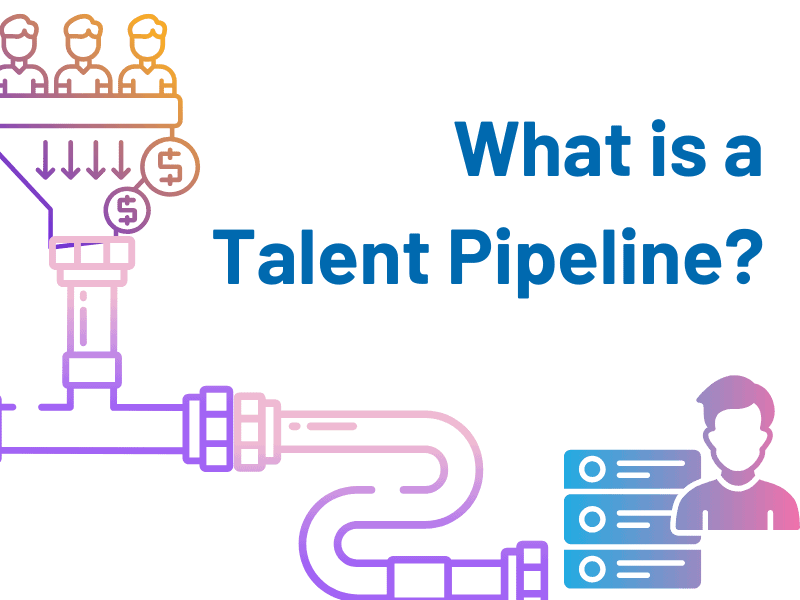
What is a talent pipeline?
A talent pipeline is a pool of qualified potential candidates who are familiar with your company and interested in working for you in the future. Instead of starting from scratch every time you have an opening, you already have people in mind who could step into a role.
A strong talent pipeline helps you:
- Fill positions faster
- Reduce hiring mistakes
- Lower recruiting costs
- Maintain productivity during transitions
How do you build a talent pipeline?
1. Becoming the Employer of Choice in your area
An employer of choice is the business that attracts the best employees in their area! They carry a reputation, built over time, that attracts and retains high quality employees. They did that by building a culture and work environment where employees want to work there and tell others that they should work there as well.
Employers of choice invest in career development. They build clear career paths and help employees understand where they are today and where they can go next. They recognize achievements and small wins, praise employees publicly, offer cross training and job rotation, and allow employees to grow at a pace that fits their goals.
The employer of Choice will also offer meaningful rewards, communicate clearly, and live by their company values instead of just posting them on a wall.
2. Strengthening Your Job Ads
The purpose of a job ad isn’t just to list responsibilities. It’s to sell candidates on why they should work for you.
Compensation and benefits should be clearly stated. These are often the first things candidates look for. Beyond pay, your job ad should explain what makes your company a good long-term choice.
Examples include:
- Build a career, not just a job
- Paid training provided
- Top performers earning above market pay etc.
While pay matters, it is rarely the only deciding factor. Many candidates care more about benefits, stability, and career growth. In today’s market, job security and advancement opportunities are especially important. Take a look at our YouTube video on How to Attract the Right Candidates for guidance.
Tip: Make a list of reasons someone should work for your company. Ask your current employees why they joined and why they continue to stay. Their answers often reveal your strongest recruiting messages.
3. Committing to Continuous Recruitment
Candidates usually look for new jobs when they are ready for a change, not necessarily when you are ready to hire. That is why continuous recruitment is essential.
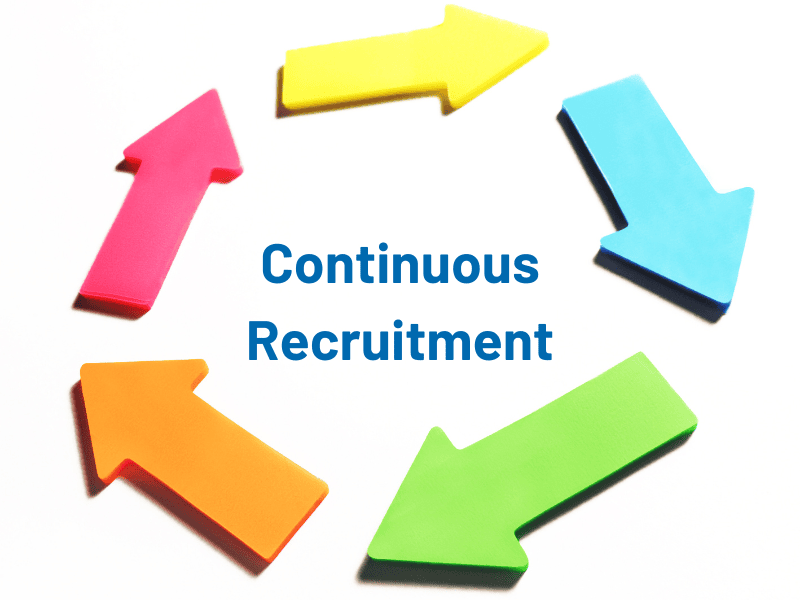
Instead of only recruiting when a position opens, keep your company visible and appealing at all times. When a strong candidate decides to make a move, you want your business to be one of the first they think of.
Continuous recruitment allows you to:
- Build relationships before you need to hire
- Reduce time to fill positions
- Avoid panic hiring
- Improve candidate quality
4. Building a Strong Employer Brand
Many companies fail to show what makes them different. Without a strong employer brand, candidates have no reason to choose you over your competitors.
Start by reviewing your online reputation. Look at your company reviews on sites like Indeed and Glassdoor. A lack of reviews or poor reviews can discourage strong candidates from applying. On the flip side, positive employee reviews carry significant weight and can improve application quality.
You should also brand your job board profiles. This includes:
- Uploading your logo
- Adding team photos
- Writing a clear company description
- Adding a “Why Work For Us” section
- Showcase your compay Mission, Vision and Value statement
These elements help candidates understand who you are and what working for you might feel like.
Social media also plays a role in your employer branding. Many candidates will look up your business online before applying. Share content that shows your team, workplace activities, and daily life inside your company. This gives candidates a preview of your culture and builds trust before they ever apply.
5. Expanding Where You Look for Talent
Building a talent pipeline does not mean only recruiting people already in your industry. Often, the best long-term employees come from outside your field.
Focus on hiring for attitude and training for skill. Pay attention to people you meet in everyday situations. A positive, dependable cashier or customer service worker may have the right personality and work ethic to succeed in your business with proper training.
Final Thoughts on How to Build a Talent Pipeline
Building a talent pipeline is not a one-time project. It is an ongoing business system that protects your company from sudden turnover and rushed hiring decisions. When done consistently, it improves candidate quality, shortens hiring time, and creates long-term stability for your team.
If managing your recruiting process feels like one more thing on an already full plate, it may be time to get support. Our team helps business owners build and manage their talent pipeline so recruiting runs in the background while you focus on running your business. Contact us if you need recruiting support.